
Research and Innovation form the foundation of Africa Graduate University’s academic mission. AGU is committed to generating new knowledge, developing practical solutions, and preparing graduates who are capable of responding to the complex challenges facing Somalia, East Africa, and the wider global community.
Our research agenda supports applied, interdisciplinary, and community-centered studies that contribute directly to social, economic, technological, and health-related transformation. Through strong academic leadership and collaborative engagement, AGU continuously fosters a culture of inquiry, discovery, and innovation.
AGU’s approach to research is guided by three core principles:
Knowledge for Impact:
Research must address real challenges affecting society, institutions, and industries.
Innovation for Growth:
Creative thinking, technological advancement, and new methodologies are encouraged to promote development.
Collaboration for Change:
Partnerships with governments, NGOs, universities, and the private sector ensure research remains relevant and impactful.
Together, these principles create an environment where both students and faculty can engage meaningfully in scholarly work with long-lasting value.
AGU’s schools form the backbone of our research and innovation ecosystem. Each school contributes to specific areas of expertise while encouraging interdisciplinary work:
Research in entrepreneurship, finance, leadership, supply chain systems, and business innovation.
Studies in public health, epidemiology, hospital systems, nutrition, and health policy.
Research in governance, diplomacy, peace and conflict, public administration, and social development.
Research in educational leadership, curriculum development, policy planning, and teacher development.
Innovation in digital systems, information technology, emerging technologies, and software development.
Each school supports faculty-led studies, student research projects, academic publications, and community-focused initiatives.

Research is a central requirement in all AGU degree programs. Every student completes a final-year project, capstone, or thesis under the supervision of qualified academic staff.
Through this process, students are trained in:
Outstanding research works are recognized and may be published in AGU’s academic journals or presented at research conferences.
Students have access to digital resources, research tools, and academic support through the Research Support Center.
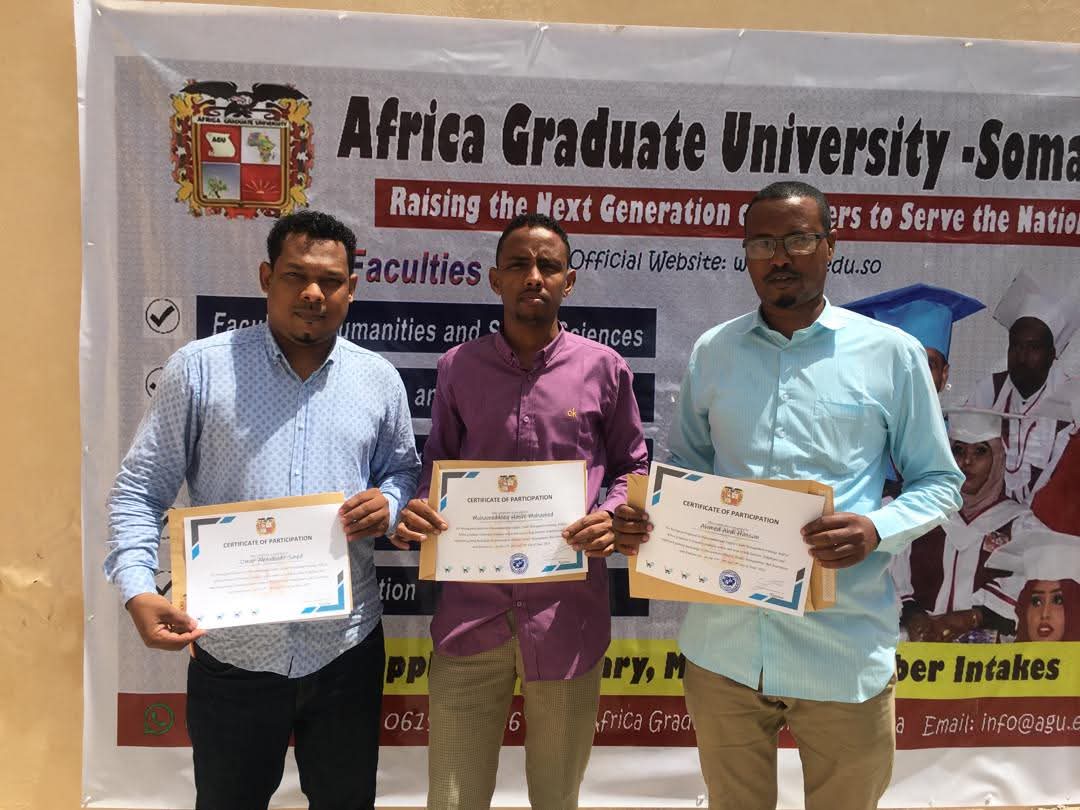
AGU views innovation as a powerful instrument for national and regional progress. Our innovation agenda focuses on creating practical, scalable, and sustainable solutions in several key areas:
Creation of digital tools, online systems, and technology-driven solutions that support organizations and communities.
Development of modern teaching models, digital education platforms, and new policy frameworks.
New approaches to improving health systems, nutrition, hospital management, and community wellbeing.
Creation of digital tools, online systems, and technology-driven solutions that support organizations and communities.
AGU actively collaborates with a wide range of institutions to expand research opportunities and increase impact. These include government agencies, international organizations, local NGOs, universities, research centers, and private sector partners.
Through these partnerships, AGU strengthens its ability to conduct meaningful research, launch joint projects, engage in policy dialogue, and provide consultancy services.
Institutions interested in partnering with AGU are encouraged to connect with our office for formal collaboration.
AGU disseminates research through various channels, including:
AGU Research Journal
A peer-reviewed publication featuring academic papers, case studies, and applied research.
Working Paper Series
Policy briefs, technical reports, and analyses authored by faculty and researchers.
Conference Proceedings
Outputs from AGU’s annual research conference, documenting scholarly presentations and discussions.
Researchers and students are encouraged to submit manuscripts and contribute to the university’s growing academic archive.
AGU offers structured bachelor’s programs aligned with job market needs and national development priorities, .